
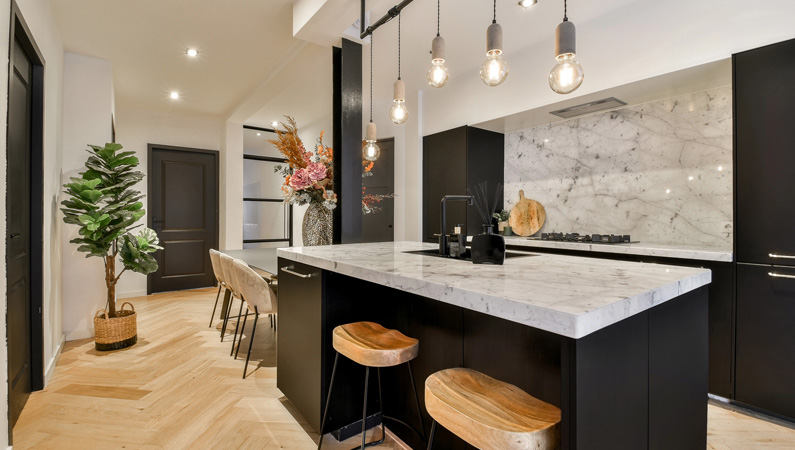
A kitchen renovation is one of the most rewarding home improvement projects you can take on. It improves daily function, refreshes the look of your home, and adds real market value — especially in Toronto’s competitive real estate landscape. But without a solid plan, costs and timelines can spiral quickly.
Here’s what you need to know before you get started.
Why the Kitchen Deserves Your Renovation Budget First
The kitchen is the most-used room in the house. It’s where families gather, meals are prepared, and guests inevitably end up. A dated or poorly designed kitchen affects your daily quality of life more than almost any other space.
According to the Canada Mortgage and Housing Corporation (CMHC), kitchen and bathroom renovations consistently rank among the top projects that increase home resale value in Canadian markets. In Toronto specifically, a well-executed kitchen renovation can return a significant portion of its cost at resale.
Step 1: Define Your Goals Before Anything Else
Before picking cabinet finishes or countertop materials, get clear on what you actually want the renovation to achieve. Common goals include:
- Improving layout and workflow (the “kitchen triangle” of sink, stove, and fridge)
- Adding storage and counter space
- Upgrading appliances for energy efficiency
- Modernizing the aesthetic to match the rest of the home
- Opening the kitchen into an adjacent living or dining area
Knowing your priorities will guide every decision that follows — and help you stay on budget. Check out our post on kitchen renovation goals to focus on for a deeper breakdown.
Step 2: Set a Realistic Budget
Kitchen renovations in Toronto typically range from $25,000 for a mid-range refresh to $80,000+ for a full custom remodel. The biggest cost drivers are:
- Cabinetry — custom cabinets are the single largest expense in most kitchens
- Countertops — quartz and granite are popular but vary widely in price
- Labour — skilled trades (plumbing, electrical, tiling) add up fast
- Appliances — often overlooked until late in the planning process
A good rule of thumb: allocate 5–15% of your home’s current market value to a kitchen renovation to ensure the investment makes sense financially.
Step 3: Think About Layout and Flow
The layout determines how comfortable and efficient your kitchen feels every day. The most common kitchen layouts are:
- Galley — two parallel counters, efficient for smaller spaces
- L-shaped — great for open-concept homes
- U-shaped — maximizes storage and counter space
- Island — popular in Toronto homes with open floor plans
If your current layout is inefficient, moving plumbing or load-bearing walls may be necessary — which requires building permits. Toronto’s Building Permit requirements apply to most structural and plumbing changes, so consult your contractor early.
Step 4: Choose Materials That Balance Beauty and Durability
The kitchen takes more daily punishment than any other room. Material choices need to look great and hold up to heat, moisture, and heavy use.
Countertops: Quartz is the top choice for low maintenance and durability. Butcher block adds warmth but requires sealing. Granite offers a natural look but can chip.
Cabinets: Solid wood and plywood construction last significantly longer than particleboard. Shaker-style cabinets remain a timeless option that suits both modern and traditional kitchens.
Flooring: Porcelain tile and luxury vinyl plank (LVP) are the most practical choices for kitchens — water-resistant, durable, and easy to clean. Our article on hardwood floors in the kitchen covers what to consider if you’re leaning toward wood.
Step 5: Plan Your Lighting Early
Lighting is one of the most underestimated elements of a kitchen renovation. A well-lit kitchen needs three layers:
- Ambient lighting — general overhead illumination (recessed pot lights work well)
- Task lighting — under-cabinet lights for prep areas
- Accent lighting — inside glass cabinets or above an island for visual interest
Lighting decisions often involve electrical work, so they need to be part of the plan before walls are closed up.
Step 6: Hire the Right Contractor
A kitchen renovation involves multiple trades working in sequence — demolition, plumbing, electrical, drywall, cabinetry, tile, and finishing. Coordinating all of this requires an experienced general contractor who can manage the project timeline and quality.
When interviewing contractors, ask for references from recent kitchen projects, check that they are licensed and insured in Ontario, and get a detailed written scope of work before signing anything. Our kitchen renovations service page outlines what a professional renovation looks like from start to finish.
For a broader renovation, consider exploring interior design services to ensure your kitchen update connects cohesively with the rest of your home.
Ready to Start Your Kitchen Renovation?
A successful kitchen renovation starts with the right team. iRemodel has been helping Toronto homeowners transform their kitchens with high-quality craftsmanship and transparent project management.
Contact us today for a free estimate: 📞 (416) 825-2542 📍 18 Yorkville Ave, Toronto, ON M4W 3Y8 🌐 iremodel.ca/free-estimate
About the Author