
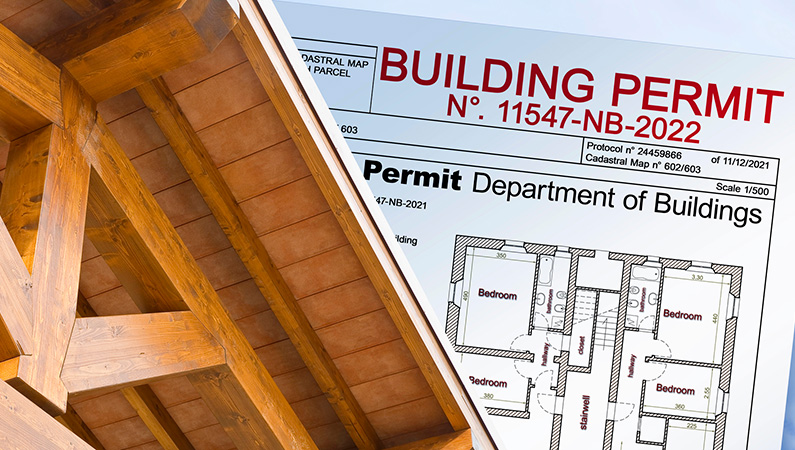
Planning a major home renovation can be exciting, but before construction begins, one critical question often comes up: do you need a permit? In Ontario, renovation permits are not optional paperwork—they are a legal requirement for many types of structural, mechanical, and system-related upgrades. Failing to obtain the proper permits can result in fines, project delays, or serious issues when selling your home.
This guide explains when permits are required, what types of renovations need approval, how the process works, and why working with a professional renovation contractor like iRemodel Home Renovation Toronto can make the entire process smoother and stress-free.
What Is a Building Permit?
A building permit is formal approval from your local municipality confirming that your renovation plans comply with the Ontario Building Code and local bylaws. Permits ensure that renovations meet safety, structural, fire, and health standards designed to protect homeowners and occupants.
Permits are typically reviewed and issued by the local building department, and inspections are conducted at key stages of construction.
When Permits Are Required in Ontario
In Ontario, permits are required for most renovations that alter a home’s structure, systems, or intended use. Even projects that seem straightforward can require approval if they affect safety or compliance.
Permits are generally required when renovations involve:
- Structural changes
- Additions or extensions
- Changes to load-bearing walls
- Plumbing, electrical, or HVAC modifications
- Basement finishing or conversions
- Creating secondary units or rental suites
If the work affects how your home is built, supported, or serviced, a permit is usually necessary.
Renovations That Commonly Require a Permit
Understanding which projects need permits can help avoid costly mistakes.
Structural Renovations
Any work that alters the structural integrity of your home requires approval. This includes removing or modifying load-bearing walls, changing roof structures, or reinforcing foundations.
Home Additions
Adding square footage—whether it’s a rear extension, second-storey addition, or enclosed porch—always requires permits. These projects must meet zoning, setback, and building code requirements.
Basement Renovations
Basement renovations often require permits, especially when:
- Creating bedrooms or living spaces
- Adding or modifying plumbing
- Installing egress windows
- Changing ceiling heights or insulation
Plumbing Work
Permits are needed for plumbing changes such as relocating fixtures, adding bathrooms, or installing new drain or water lines.
Electrical Upgrades
Electrical permits are required for panel upgrades, rewiring, or adding new circuits. These permits are typically handled through licensed electricians and inspected separately.
HVAC Modifications
Installing or modifying furnaces, air conditioners, heat pumps, or ventilation systems often requires permits to ensure energy efficiency and safety compliance.
Renovations That Typically Do Not Require a Permit
Not all home improvements require approval. Cosmetic and non-structural updates usually fall outside permit requirements.
Common permit-exempt projects include:
- Painting and wallpapering
- Flooring replacement
- Cabinet installation
- Countertop replacement
- Minor exterior repairs
While permits may not be required, work must still comply with building codes and safety standards.
Why Permits Matter for Homeowners
Skipping permits may seem like a way to save time or money, but it can create serious long-term problems.
Legal and Financial Risks
Unpermitted work can result in fines, stop-work orders, or mandatory removal of completed renovations.
Issues When Selling Your Home
During resale, buyers and inspectors often request proof that renovations were completed with permits. Missing permits can delay or even cancel a sale.
Insurance Complications
Insurance companies may deny claims related to unpermitted work, especially if it contributed to damage or safety issues.
Safety Concerns
Permits ensure inspections are completed, reducing the risk of structural failure, electrical hazards, or plumbing leaks.
How the Permit Process Works in Ontario
The permit process may vary slightly by municipality, but the general steps are similar across Ontario.
Step 1: Prepare Detailed Plans
Permit applications require drawings that show:
- Existing and proposed layouts
- Structural details
- Plumbing and electrical changes
- Materials and measurements
Professional drawings improve approval speed and accuracy.
Step 2: Submit the Application
Applications are submitted to the local building department, either online or in person, along with applicable fees.
Step 3: Plan Review
Municipal officials review the plans for compliance with building codes and zoning bylaws. Revisions may be requested before approval.
Step 4: Permit Issuance
Once approved, the permit is issued and must be displayed on-site before construction begins.
Step 5: Inspections
Inspections occur at different stages, such as framing, plumbing rough-ins, and final completion.
Step 6: Final Approval
After all inspections pass, the renovation is officially approved and closed.
Who Is Responsible for Obtaining the Permit?
Legally, the homeowner is responsible for ensuring permits are obtained. However, many professional renovation contractors manage the entire permit process on the homeowner’s behalf.
Working with an experienced contractor like iRemodel Home Renovation helps ensure:
- Accurate permit applications
- Proper scheduling of inspections
- Full compliance with local regulations
This reduces stress and minimizes delays.
How Long Does It Take to Get a Permit?
Permit timelines depend on the project scope and municipality. Smaller renovations may be approved within a few weeks, while major structural projects or additions can take longer.
Factors affecting approval time include:
- Project complexity
- Completeness of drawings
- Municipal workload
- Required revisions
Planning permits early helps keep renovation timelines on track.
Costs Associated With Renovation Permits
Permit costs vary by municipality and project size. Fees are typically based on square footage, construction value, or type of work.
While permits add to the upfront cost, they protect your investment and prevent expensive issues later.
Common Permit Mistakes to Avoid
Homeowners often run into problems by:
- Assuming cosmetic work never needs permits
- Starting construction before approval
- Using incomplete or inaccurate drawings
- Skipping required inspections
- Hiring unlicensed contractors
Avoiding these mistakes saves time, money, and frustration.
Renovating Without a Permit: What Happens?
If unpermitted work is discovered, the municipality may:
- Issue stop-work orders
- Require retroactive permits
- Demand inspections or engineering reports
- Order removal or reconstruction
These outcomes often cost more than obtaining permits correctly from the start.
How iRemodel Home Renovation Toronto Helps With Permits
iRemodel Home Renovation Toronto takes a proactive approach to permit management. Their team understands Ontario regulations and works closely with local building departments to keep projects compliant and on schedule.
Support includes:
- Reviewing renovation scope for permit needs
- Coordinating drawings and documentation
- Submitting applications
- Scheduling inspections
- Addressing municipal feedback
This full-service approach allows homeowners to focus on the renovation itself, not the paperwork.
Start Your Renovation the Right Way
Permits are a critical part of any major home renovation in Ontario. Understanding when they are required and how the process works protects your home, your investment, and your peace of mind. With the right planning and professional support, permits become a straightforward step rather than a roadblock.
If you’re planning a major renovation, working with an experienced contractor who understands permit requirements can make all the difference.
Frequently Asked Questions
- Do I need a permit to renovate my kitchen in Ontario?
A permit is required if the renovation involves plumbing, electrical, or structural changes. - Is a permit required for finishing a basement?
Yes, most basement renovations require permits, especially when adding living space or bedrooms. - Can I apply for a renovation permit myself?
Yes, homeowners can apply directly, but many choose to have their contractor manage the process. - What happens if I renovate without a permit?
You may face fines, inspections, or be required to undo completed work. - How do I know if my renovation needs a permit?
Checking with your local building department or a professional renovation contractor is the safest approach.
Plan Your Renovation With Confidence
Before starting your renovation, make sure permits are properly handled from day one. iRemodel Home Renovation provides expert guidance, compliant planning, and professional execution to help your project move forward without delays or surprises.